
Sodium Hyaluronate: The Miracle Molecule in Cosmetics and Beyond
What is Sodium Hyaluronate?
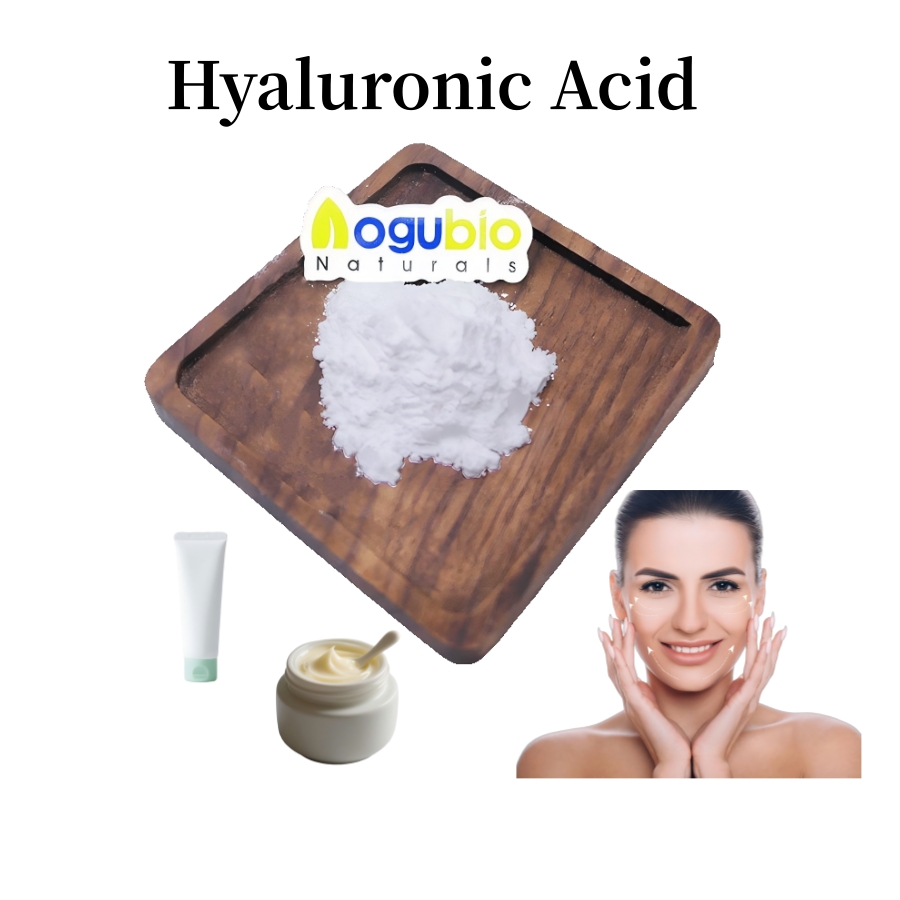
Sodium Hyaluronate is the sodium salt of Hyaluronic Acid, a naturally occurring polysaccharide found in the human body. It is present in high concentrations in the skin, joints, and eyes, where it plays crucial roles in maintaining hydration, lubrication, and tissue integrity. Hyaluronic acid is composed of repeating disaccharide units of D-glucuronic acid and N-acetyl-D-glucosamine, which form a long, linear chain. The addition of a sodium ion to the hyaluronic acid molecule enhances its solubility and stability, making Sodium Hyaluronate more suitable for use in various products.
Molecular Weight and Its Significance
One of the key characteristics of Sodium Hyaluronate is its molecular weight, which can vary widely. Different molecular weights of Sodium Hyaluronate offer distinct properties and applications:
- High Molecular Weight (HMW) Sodium Hyaluronate (1800kDa - 2500kDa): This form of Sodium Hyaluronate has large molecules that remain on the skin's surface. It forms a protective film, reducing transepidermal water loss and providing excellent moisturizing and lubricating properties. HMW Sodium Hyaluronate also has a role in sunscreen and skin repair. A study in the Journal of Cosmetic Dermatology (citation needed) found that products containing HMW Sodium Hyaluronate significantly increased skin hydration levels over time.
- Intermediate Molecular Weight (IMW) Sodium Hyaluronate (800kDa - 1500kDa): IMW Sodium Hyaluronate offers a balance between surface and deeper - layer effects. It has excellent moisturizing properties and is known for its slow - release and stable emulsification characteristics. This makes it suitable for formulations where a more sustained release of moisture is desired, such as in long - lasting skincare products.
- Low Molecular Weight (LMW) Sodium Hyaluronate (20kDa - 40kDa) and Oligo Sodium Hyaluronate (≤10kDa): These smaller - sized molecules can penetrate more deeply into the skin's epidermis. LMW Sodium Hyaluronate is often used in products aimed at promoting collagen synthesis, reducing the appearance of fine lines and wrinkles, and enhancing Skin elasticity. Research published in SpringerLink (doi: 10.1007/978 - 3 - 642 - 35251 - 5_24) demonstrated that as the molecular weight of Sodium Hyaluronate decreased, its anti - wrinkle activity increased in human dermal fibroblasts.
Applications in the Cosmetic Industry
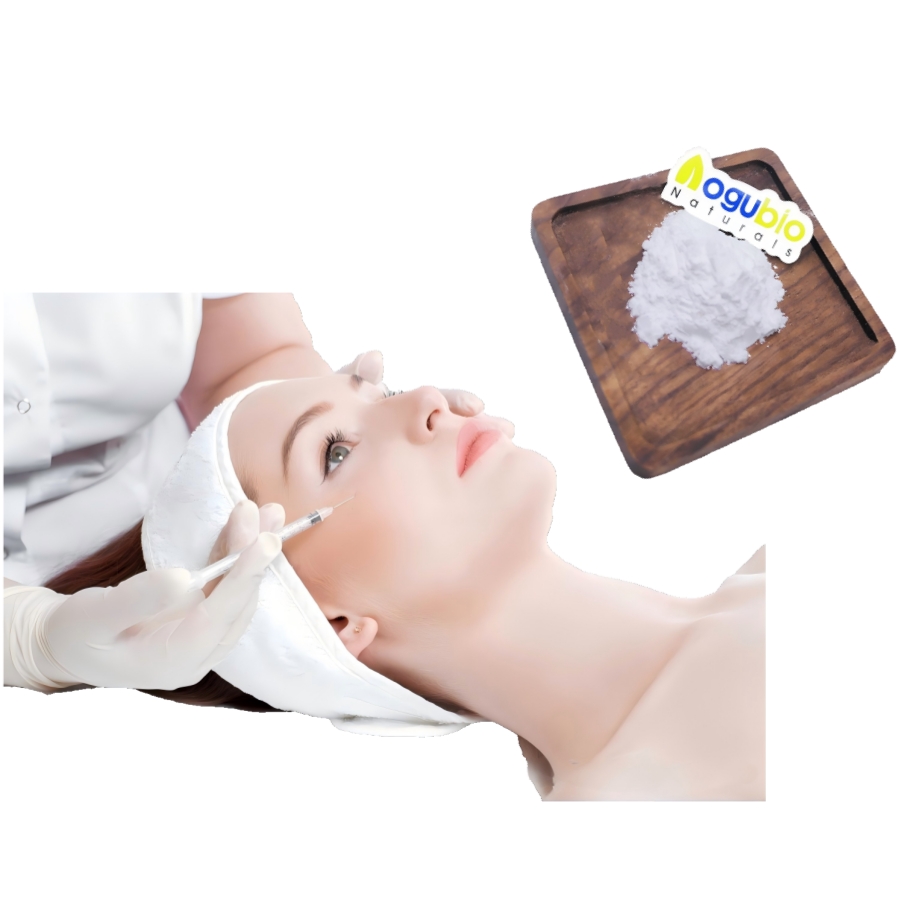
- Skincare Products: Sodium Hyaluronate is a staple in skincare, being used in moisturizers, serums, masks, and cleansers. It can hold up to 1000 times its weight in water, making it an incredibly effective humectant. In moisturizers, it helps to trap moisture in the skin, keeping it hydrated, plump, and supple. Serums with Sodium Hyaluronate can penetrate deeper into the skin, delivering intense hydration and promoting skin repair. For example, a study published in Wiley Online Library (https://onlinelibrary.wilecom/doi/full/10.1111/jocd.16310) evaluated the cosmetic efficacy of a high molecular weight sodium hyaluronate and amino acids mixture for facial rejuvenation. The results showed a significant increase in skin hydration.
- Makeup Products: It is also incorporated into makeup products such as foundations, primers, and lipsticks. In foundations and primers, Sodium Hyaluronate helps to create a smooth canvas by filling in fine lines and pores, resulting in a more even application and a long - lasting finish. In lipsticks, it provides moisture, preventing the lips from drying out.
- Haircare Products: Sodium Hyaluronate can be found in shampoos, conditioners, and hair masks. It helps to hydrate the hair shaft, reducing frizz and improving hair manageability. By retaining moisture in the hair, it also gives the hair a healthier, shinier appearance.
Applications in Other Industries
- Ophthalmology: In the medical field, particularly ophthalmology, Sodium Hyaluronate is used in eye drops and viscoelastic agents for eye surgeries. In eye drops, it helps to lubricate the eyes, relieving dryness and irritation. During eye surgeries such as cataract surgery or corneal transplant, viscoelastic solutions containing Sodium Hyaluronate are used to protect the delicate eye tissues and maintain the shape of the eye during the procedure.
- Orthopedics: Sodium Hyaluronate is used in the treatment of joint diseases, especially osteoarthritis. It is injected directly into the joint space to act as a lubricant and shock absorber, reducing pain and improving joint mobility. The Global Sodium Hyaluronate And Hyaluronic Acid Market report by comstates that the growing prevalence of chronic diseases like osteoarthritis is a key factor driving the market growth of Sodium Hyaluronate. In 2023, the US Food and Drug Administration (FDA) approved the use of hyaluronic acid injections for the treatment of knee osteoarthritis.
Market Growth and Future Trends
The Sodium Hyaluronate market is experiencing significant growth. Valued at 15.44 Bn in 2025, it is expected to grow at a CAGR of 7.17% from 2026 to 2033, reaching 23.39 Bn by 2033, as reported on LinkedIn. The increasing demand for anti - aging and regenerative therapies, along with advancements in manufacturing technologies, is fueling this growth. In the cosmetic industry, there is a growing trend towards natural and organic skincare products, and Sodium Hyaluronate, being a natural - derived ingredient, fits well into this category. Additionally, the development of new delivery systems, such as encapsulation technologies, to enhance the stability and efficacy of Sodium Hyaluronate is an area of ongoing research and development.
Frequently Asked Questions
Is Sodium Hyaluronate safe for all skin types?
- Yes, Sodium Hyaluronate is generally considered safe for all skin types. It is a natural substance that is well - tolerated by most individuals. However, as with any cosmetic ingredient, some people may be allergic or sensitive to it. It's always a good idea to do a patch test before using a new product containing Sodium Hyaluronate.
Can Sodium Hyaluronate be used in combination with other ingredients?
- Sodium Hyaluronate is highly compatible with a wide range of ingredients, including glycerin, surfactants, active ingredients, and peptides. This makes it easy to incorporate into complex formulations. For example, it is often combined with vitamin C in serums to enhance skin brightening and antioxidant effects, while also providing hydration.
How does the molecular weight of Sodium Hyaluronate affect its performance in skincare products?
- As mentioned earlier, high molecular weight Sodium Hyaluronate stays on the skin's surface, providing a protective barrier and surface - level hydration. Intermediate molecular weight offers a balance between surface and deeper - layer effects. Low molecular weight can penetrate deeper into the skin, promoting collagen synthesis and addressing concerns like fine lines and wrinkles. The choice of molecular weight depends on the specific goals of the skincare product.