
How Kojic Acid Works: The Science Behind Skin Lightening
Discovery and Background
Kojic acidwas first discovered in 1907. It is a fungal metabolite, especially produced by Aspergillus oryzae. Aspergillus oryzae has long been used in Japan for fermenting sake, miso, and soy sauce. People noticed that the hands of brewers and distillers who worked with koji or rice malt were particularly white and smooth, which aroused people's interest in Kojic Acid in the field of skin care. In 1988, Japan's Ministry of Health, Labour and Welfare approved kojic acid as an active whitening ingredient, paving the way for its wide application in cosmetics.
The Scientific Principle of Melanin Production
To understand the role of kojic acid, we must first look at the process of melanin production. In human skin, melanocytes are the cells responsible for producing melanin, which is the pigment that gives our skin its color. The key enzyme in this process is tyrosinase. Tyrosine, an amino acid, is acted upon by tyrosinase. When tyrosinase is activated (usually through the binding of copper ions), it initiates a series of complex oxidation and polymerization reactions, ultimately leading to the synthesis of melanin. Many basic biological studies, such as those in Journal of Investigative Dermatology, have comprehensively analyzed the cellular and molecular mechanisms of melanin production, providing a theoretical basis for understanding the key role of tyrosinase in this process.
The Mechanism of Action of Kojic Acid
Kojic acid exerts its effect by inhibiting the activity of tyrosinase. It has a chelating effect, which means it can remove copper ions from tyrosinase. Without copper ions, the activity of tyrosinase is reduced, thereby significantly decreasing the production of melanin. The reduction in melanin production is the reason why kojic acid has a skin - lightening effect. Studies published in Journal of Agricultural and Food Chemistry found that kojic acid can effectively block the action of tyrosinase and reduce the synthesis of melanin in melanocytes. This study, through in - vitro experiments, analyzed in detail the specific process and effect of kojic acid on inhibiting tyrosinase activity.
Advantages in the Cosmetics Field
- Reducing Hyperpigmentation
One of the most significant advantages of kojic acid in cosmetics is its ability to reduce hyperpigmentation. Problems such as melasma, sunburn, age spots, and acne scars are characterized by excessive melanin production in certain areas of the skin. By inhibiting tyrosinase, kojic acid reduces the excessive melanin production in these hyperpigmented areas, helping to even out the skin tone. For example, a clinical trial on a group of women with melasma published in Journal of Cosmetic Dermatology showed that after 12 weeks of regular use of a cream containing kojic acid, the severity of melasma was significantly reduced. This study used strict clinical trial methods to verify the actual effect of kojic acid in improving melasma.
- Antioxidant Properties
In addition to its skin - lightening effect, kojic acid also has strong antioxidant properties. It can prevent free radical damage caused by ultraviolet radiation. Free radicals are unstable molecules that can damage skin cells, leading to premature skin aging, wrinkles, and uneven skin tone. By neutralizing these free radicals, kojic acid helps maintain the health and youthfulness of the skin. Studies in the journal Free Radical Biology and Medicine have confirmed the antioxidant capacity of kojic acid, showing that it can scavenge free radicals in vitro. This study, through various experimental methods, determined indicators such as the scavenging rate of kojic acid on different types of free radicals, strongly proving its antioxidant properties.
- Gentle on the Skin
Compared with some other skin - lightening agents such as hydroquinone, kojic acid has a milder effect. Although hydroquinone is effective, it can sometimes cause skin irritation, especially for people with sensitive skin. Kojic acid is generally well - tolerated. However, like any skin care ingredient, it is important to do a patch test before using products containing kojic acid, especially for those with very sensitive skin. Studies published in Contact Dermatitis, through the analysis of clinical cases, evaluated the safety of kojic acid in actual use and possible adverse reactions such as allergies, further illustrating its relatively mild nature but the need for cautious use.
Application in Cosmetics
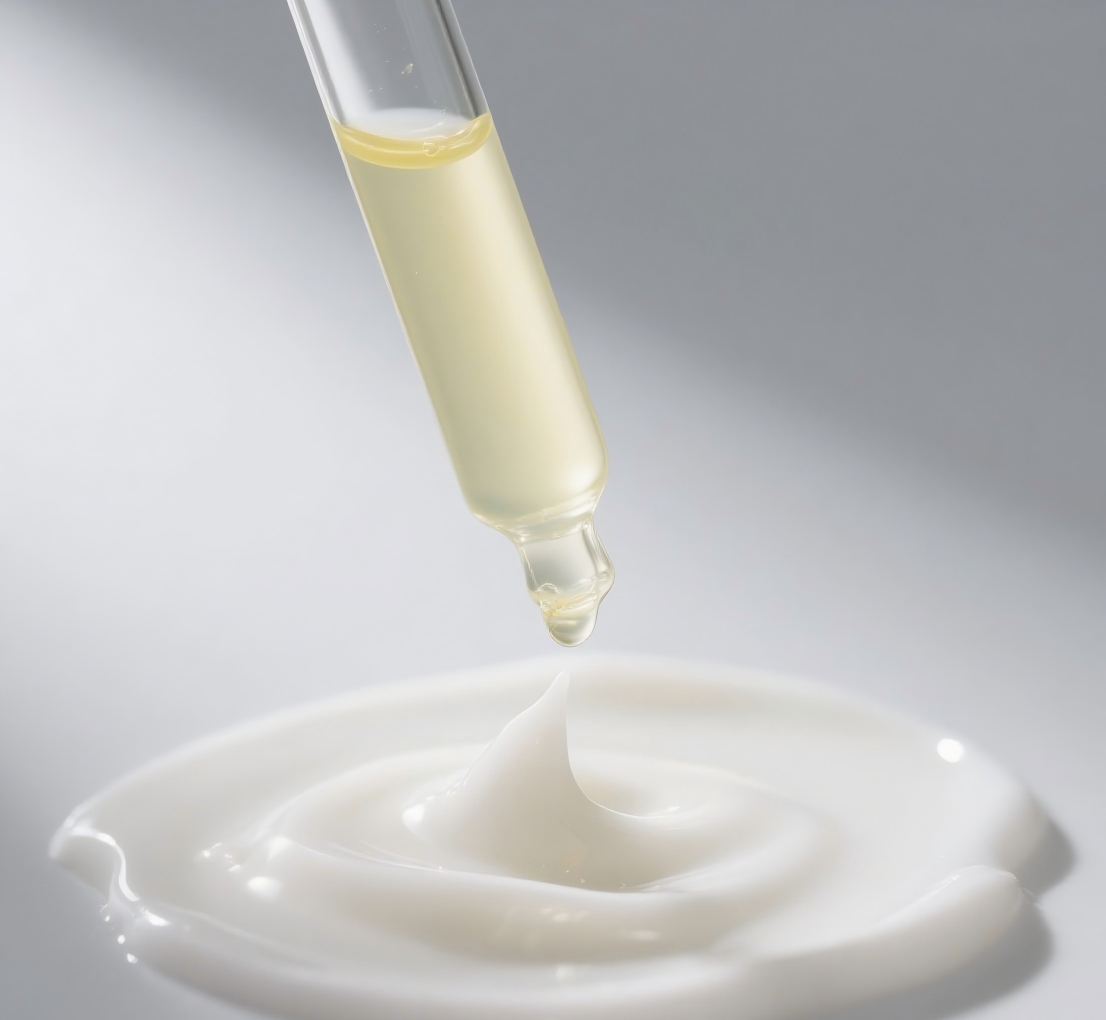
Kojic acid is commonly found in various cosmetics and is added to creams, lotions, serums, and even soaps. Generally speaking, the recommended concentration of kojic acid in cosmetics is between 0.5% and 2.0%. At a concentration of 20µg/ml, kojic acid can inhibit 70 - 80% of the activity of various tyrosinases. For example, kojic acid soap is very popular because it can both whiten and clean the skin. It is usually formulated for skin types with more melanin and sensitive skin, combining deep cleansing with targeted brightening, helping to fade dark spots without drying out the skin. Several articles related to product formulations in the journal Cosmetics and Toiletries discuss the concentration application and formula design of kojic acid in different types of cosmetics, providing a reference for its application in actual products.
Safety and Precautions
Although kojic acid is generally considered safe for topical use in cosmetics, it should be noted that high - concentration use or overuse may cause some side effects, such as skin irritation, redness, or itching. When using products containing kojic acid, it is crucial to protect the skin from sun exposure, because the skin may be more sensitive to ultraviolet rays during the whitening process. Be sure to follow the instructions on the product label, and consult a dermatologist if you have any doubts. Articles on the safety assessment of cosmetic ingredients in professional journals such as Regulatory Toxicology and Pharmacology discuss the safe use range and potential risks of kojic acid in cosmetics, providing guidance for consumers and the industry on safe use.
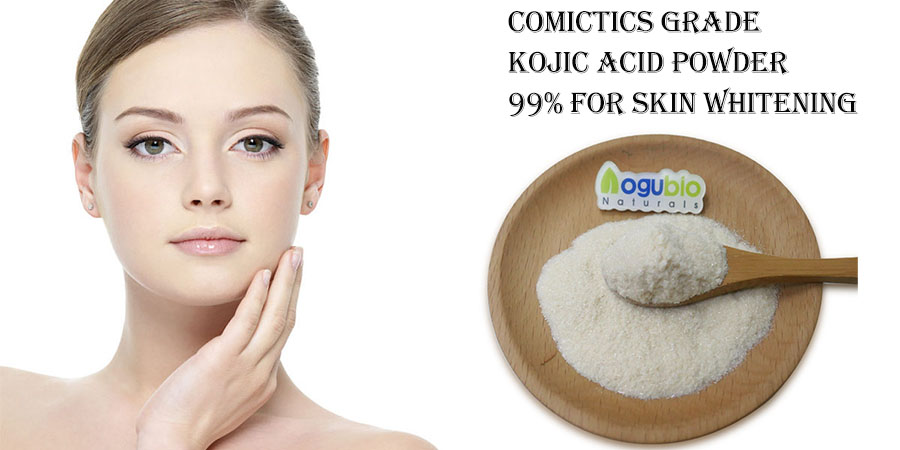
In conclusion, kojic acid with 99% purity provides a scientifically proven effective solution for whitening and solving hyperpigmentation problems. Its unique mechanism of action, combined with its antioxidant properties and relatively mild nature, makes it a popular choice among cosmetic ingredients.
- Name: Yuik
- E-mail: sales02@nahanutri.com
- WhatsApp:+8618066950297